SAGAMU UPDATES: Tech

Headlines
Loading...

Saturday, March 31, 2018

US Visa Seekers Will Have To Disclose Social Media Identities
Photo: Eric BARADAT / AFP

Travellers to the United States will soon have to submit their social media identities, previous telephone numbers and email addresses, a measure that could touch 10 million people per year.
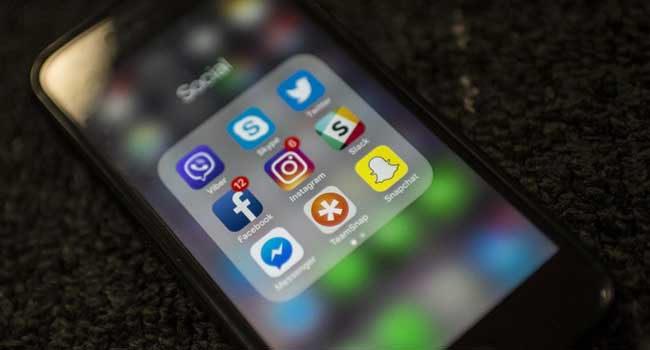
According to a State Department plan published Friday, visa seekers — whether visitors or would-be immigrants — will be presented with a list of social media platforms.
Applicants will be required to identify which they use and provide “any identifiers used by applicants for those platforms during the five years preceding the date of application.”
“Other questions seek five years of previously used telephone numbers, email addresses, and international travel,” the notice, published in the Federal Register, revealed.
When these new rules were first suggested last year as part of what US President Donald Trump has called “extreme vetting” of would-be visitors, civil liberties groups sounded the alarm about privacy.
But officials say they could identify potential extremists, such as one of the attackers in the December 2015 San Bernadino shooting — who got a visa despite allegedly advocating “jihad” on social media.
The measures apply both to the DS-260 “Immigrant Visa and Alien Registration Form” and the DS-160 “Application for Nonimmigrant Visa.”
In the last fiscal year, 559,536 people applied for US immigrant visas and 9,681,913 for various forms of visitor visa. Friday’s announced measures will not touch diplomatic or official travelers.
The announcement begins a 60-day period in which interested bodies and members of the public will be allowed to submit comments on the rule changes, which are expected to be approved on May 29.

Wednesday, November 16, 2016

WhatsApp Video Calling Launched: How to Get Video Calling Right Now

WhatsApp officially launched video calling on Tuesday, and the feature is now being rolled out to Android, iPhone, and Windows users. Updated WhatsApp with support for video calling for Android and iPhone has officially been released, so you simply need to update the feature to make your first video call. If your iOS or Android device is not set to receive automatic updates, or if you are not sure if WhatsApp has been updated, simply go to the App Store or Google Play and check for available updates.

If you don't see the video calling option, or if WhatsApp video calling is not working, or if WhatsApp video calls are giving you an error, you could download the WhatsApp beta version APK to see if things work any better. Follow the steps below if you cannot wait for WhatsApp video calling.

Note that we advice that you wait for the WhatsApp video calling feature to show up on your phone, since that also helps the server load manageable. But if you are convinced you want to start video calls right now, follow these steps.

How to get WhatsApp video calling feature right now

The WhatsApp video calling feature was recently introduced in the beta builds of WhatsApp for Android and Windows Mobile. You can signup for the betas to get early access to WhatsApp video calling.

Follow these steps to sign up for the WhatsApp beta program and enable WhatsApp video calling on Android:
  • Open Google Play and search for WhatsApp
  • Open WhatsApp's Google Play listing
  • Scroll dow towards the bottom of the page
  • In the section that says Become a beta tester tap on I'M IN
  • Confirm on the next screen and wait for a few minutes
  • Come back to WhatsApp listing page on Google Play
  • You should see an option to Update WhatsApp to beta version
  • Update the app
Alternatively, you could download the WhatsApp APK that comes with support for video calling (v2.16.354) from a website like APK Mirror or APK Pure, if you know what you are doing. We advice most of our readers to follow the above-mentioned steps to officially get on the WhatsApp beta version for video calling and other features, and skip the risks associated with downloading the WhatsApp APK.
If you've followed any of the methods mentioned above, congratulations, you are now running the latest WhatsApp beta for Android. This comes with support for WhatsApp video calls and other new features - to make your first WhatsApp video call, follow the steps indicated below.

To sign up for WhatsApp beta on Windows Phone, you need to message support@whatsapp.com and ask for a spot on the beta. The process involves human intervention, so it's likely to be a lot slower. Once you are on the beta, you will get access to WhatsApp video calling on Windows Mobile.

iPhone users have no choice but to wait for WhatsApp video calling to be rolled out to them.

How to make a WhatsApp video call

If you are now running the latest WhatsApp beta - or if the video calling feature is available to you after launch - it's pretty simply to start a video call with another WhatsApp user.

Here's how to make a video call within WhatsApp:
  • Open WhatsApp (of course!)
  • Go to the Contacts tab
  • Find and tap the contact you want to initiate a WhatsApp video call with
  • Tap on the phone icon towards the top of the screen
  • From the popup choose Video call
That's it - you've just made your first WhatsApp video call!

Note that for WhatsApp video calling to work, both parties should be running a WhatsApp build that supports the feature. WhatsApp may also prompt you for feedback once the video call is over.

Saturday, November 5, 2016

Facebook, Twitter, YouTube, and WhatsApp blocked in Turkey

Internet access in Turkey restricted after political arrests, says monitoring group.

Turkey is reportedly blocking access to Twitter, Facebook, WhatsApp, and YouTube following the arrests of at least 11 pro-Kurdish politicians.


According to Internet monitoring group Turkey Blocks, access to these sites has been throttled at the ISP level and is apparently affecting "the majority of Internet users." The current Internet user headcount in Turkey is understood to stand at more than 47 million out of a population just shy of 75 million.


Its most recent report, posted on Thursday night, says that almost all major ISPs—starting with national provider TTNet and Turkcell—are affected. Users of UyduNet and some smaller providers were apparently still online, at time of testing.


Instagram and Skype are apparently also being choked. TurkeyBlocks said: "Internet restrictions are increasingly being used in Turkey to suppress media coverage of political incidents, a form of censorship deployed at short notice to prevent civil unrest."

Media reports have begun linking the outages to the arrests of Selahattin Demirtas and Figen Yuksekdag, the co-leaders of the country's pro-Kurdish Peoples’ Democratic party (HDP). Demirtas was dubbed the Kurdish Obama last year, after he guided his party to 13 percent of the vote in last year's elections, pulling in 59 MPs.

His liberal instincts are seen as a barrier to the plans of authoritarian Turkish president Recep Tayyip Erdogan. Demirtas and Yuksekdag have faced a number of separate investigations over the last few months, though this is the first arrest. Turkish MPs are normally exempt from prosecution, but the HDP had their immunity waived earlier in the year.

According to the Guardian, at least 10 other HDP parliamentarians were also detained, their lawyers have said. This, we're told, represents "a major escalation" in the Turkish government's crackdown against its political opponents since the failed coup on July 15.

Turkey has been plagued by Internet shutdowns in recent weeks. Millions were cut off in the southeast, a move which TurkeyBlocks claimed "prevent[ed] the supply of medical supplies to patients and crippl[ed] infrastructure." The previous day, Internet access was cut off throughout most of the country, during protests after the mayor of the city of Diyarbakir, Gultan Kısanak, and his deputy, Firat Anli, were arrested on terrorism charges.

According to the monitors, "social media throttling has been implemented frequently following national emergencies like terror attacks to censor media coverage and permit the authorities a degree of control over narrative."